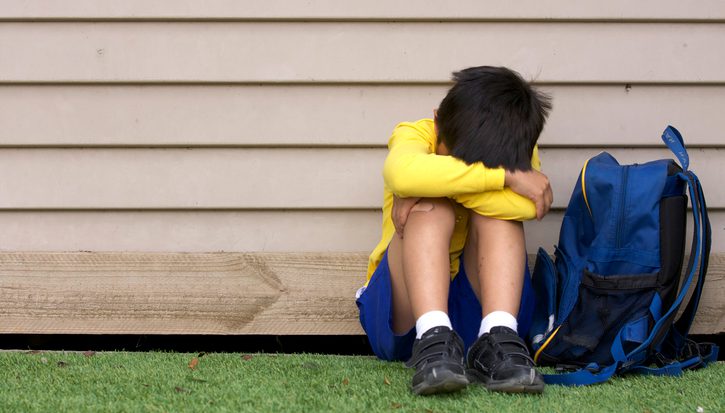
The loneliest generation: What it is like to grow up in England today
Article
Connection should be the fabric that binds society together. But today’s young people have never felt more disconnected.
A connected society is one in which we care about how others are doing and, in turn, others look out for our wellbeing. It is the state and public services, family, communities, places and institutions working together to improve opportunities for everyone. It is what gives our places life and our lives shape.
We have spent the past few months travelling across England speaking to more than 150 young people and carrying out new analysis of data on how young people are faring. We found that, while adolescence is a period of profound opportunity, young people today no longer have the support they need to live fulfilling lives and become well-rounded adults. Growing up is now defined by disconnection.
The solutions do not lie in changes to youth policy: a collective effort is required to offer young people a new settlement that reaches across their lives, on education, work, housing and health.
Related items

“I feel quite unsettled and unsafe”: Young people, belonging, and the broken promise of childhood
Young people in England feel less secure, supported and connected than a decade ago. Based on nearly 200 conversations, this blog explores why childhood feels more stressful and less joyful.
A generation apart? Youth politics, alienation and democratic renewal in Britain
Public debate about young people and politics is loud, contested – and largely wrong.
A tough hand: Why rising youth inactivity demands urgent action
On Thursday, new data will likely show the number of young people who will be out of education, employment or training (NEET) will surpass 1 million for the first time since 2013.