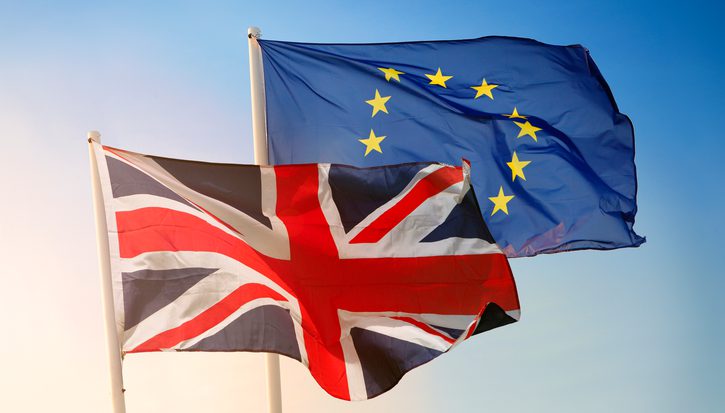
Euroscepticism in the UK
Article
From the vociferousness of the debate in the UK press in recent weeks, one could be excused for thinking that Europe was dominating discussions around the country, as indeed it has done at various points over the last two decades.
But Ipsos-MORI's most recent Issues Index recorded only 1 per cent of respondents indicating the common market, EU, Europe and the euro as the most important issue facing Britain today. Taken together, recent survey evidence suggests that while voters clearly lack knowledge of and support for the EU as an institution, they still recognise the case for a supranational body at the European level covering a wide range of issues.
These findings do not dismiss the strongly held views of many Brits in relation to Europe nor the need for institutional reform, but it does suggest that the nature of euroscepticism in the UK may be more nuanced that the current media debate implies.
Related items

The full-speed economy: Does running a hotter economy benefit workers?
How a slightly hotter economy might be able to boost future growth.
Making the most of it: Unitarisation, hyperlocal democratic renewal and community empowerment
Local government reorganisation need not result in a weakening of democracy at the local level.
Transport and growth: Reforming transport investment for place-based growth
The ability to deliver transformative public transport is not constrained by a lack of ideas, public support or local ambition. It is constrained by the way decisions are taken at the national level.