State of a Generation
State of a Generation
State of a Generation is landmark programme of research and policy development aimed at restoring promise to young people. It responds to the scale and urgency of the challenges facing them today.
Latest work
View all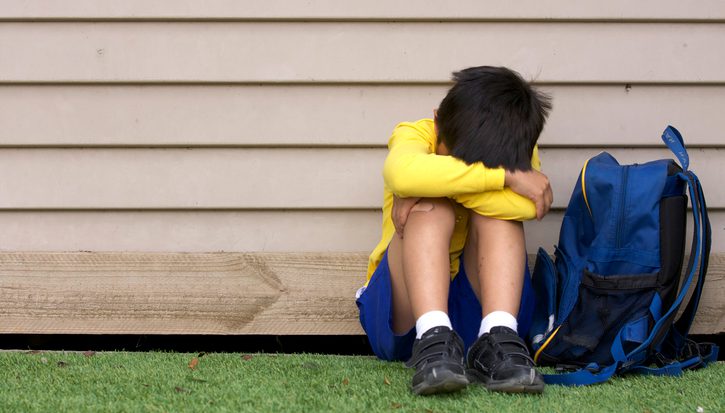
“I feel quite unsettled and unsafe”: Young people, belonging, and the broken promise of childhood
Young people in England feel less secure, supported and connected than a decade ago. Based on nearly 200 conversations, this blog explores why childhood feels more stressful and less joyful.
Britain’s broken social contract: Young people have lost faith in their future
Drawing on new evidence, this blog examines the decline in young people’s optimism about work, success and social mobility, and argues for a new deal to rebuild trust in Britain’s social contract.
What comes next: A fairer approach to primary assessment
England’s primary school accountability and assessment system is not working well for disadvantaged children.
The loneliest generation: What it is like to grow up in England today
Connection should be the fabric that binds society together. But today’s young people have never felt more disconnected.
About
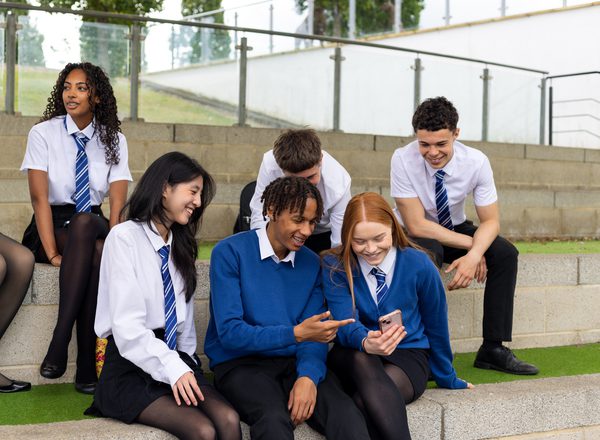
Our first phase looked at what it means to come of age in England in the shadow of a digital childhood, a pandemic, and the erosion of services and spaces that once helped them navigate the journey to adulthood. We spoke to over 150 young people and analysed trends over time and found that the foundations of a good adolescence have eroded, transitions to adulthood are blocked, and, as a result, young people are left feeling disconnected from themselves, each other, and wider society.
We found that young people have surveyed the world around them, reflected on their experiences, and concluded that this is not what society is offering them. This is a rational response with serious consequences. It risks pulling us into a downward spiral in which people no longer believe things can get better, individuals no longer look out for each other, and faith in the state deteriorates.
The solutions do not lie in changes to youth policy: a collective effort is required to offer young people a new settlement that reaches across their lives, on education, work, housing and health. Our next phase of work will convene young people and those that work with them, alongside policy makers, business, and experts to design the radical new settlement that will build the connections that bring us together as a nation.
Meet the team

Avnee Morjaria
Former associate director for public servicesRead more
Ellie Harris
Principal research fellow and head of children and young peopleRead more
Hollie Wright
Research fellowRead more
Dr Jamie O'Halloran
Senior research fellowRead more
Conor Carleton
Children and young people policy consultantRead more